
A recent Listeria-related recall involving deli salads and cream cheese products in New York is a useful reminder that food safety depends on much more than the ingredients themselves. In a commercial kitchen, sanitation, temperature control, equipment maintenance, and careful food handling all work together to reduce contamination risks. The same principles apply when preparing whipped cream and other ready-to-eat toppings, where clean equipment and efficient preparation can make a real difference.
1. The Recent New York Listeria Recall
Food recalls are always worth paying attention to, particularly when they involve ready-to-eat foods. Products such as deli salads, cream cheese, and prepared side dishes are often consumed without an additional cooking step, which means there is no later heating process to reduce potential microbial contamination.
The recent New York recall involving prepared salads and cream cheese products highlights why manufacturers and commercial kitchens need strong sanitation procedures throughout production. A food product can start with good-quality ingredients, but contamination can still occur during preparation, processing, packaging, storage, or handling.
For restaurant owners and kitchen managers, the lesson is fairly straightforward: food safety has to be built into the entire preparation process rather than treated as a final inspection step.
2. Why Food Preparation Hygiene Matters?
Good kitchen hygiene is not simply about keeping surfaces looking clean. Food-contact equipment, utensils, containers, refrigerators, and preparation areas all need to be properly cleaned and maintained according to their intended use.
This becomes particularly important with foods that are handled after cooking or are served without further heating. Cream-based toppings, salads, sauces, and other prepared foods can be exposed to contamination if employees handle them unnecessarily or if equipment is not cleaned between uses.
In my experience, the best approach is to make good hygiene part of the workflow. When cleaning, storage, and equipment maintenance are easy to incorporate into daily operations, staff are much more likely to follow the process consistently.
3. Common Sources of Cross-Contamination
Cross-contamination can happen in surprisingly ordinary ways. The same cutting board may be used for different ingredients, a utensil may be reused without proper cleaning, or an employee may move from handling one food to another without washing their hands.
Equipment itself can also become a source of problems when food residue is left behind. Small parts, valves, nozzles, seals, and other components may require particular attention because they can be difficult to clean thoroughly if the equipment is poorly designed or improperly maintained.
The goal is not to eliminate every possible contact point. That is unrealistic in a busy kitchen. The better strategy is to identify where contamination is most likely to occur and design the preparation process around minimizing those risks.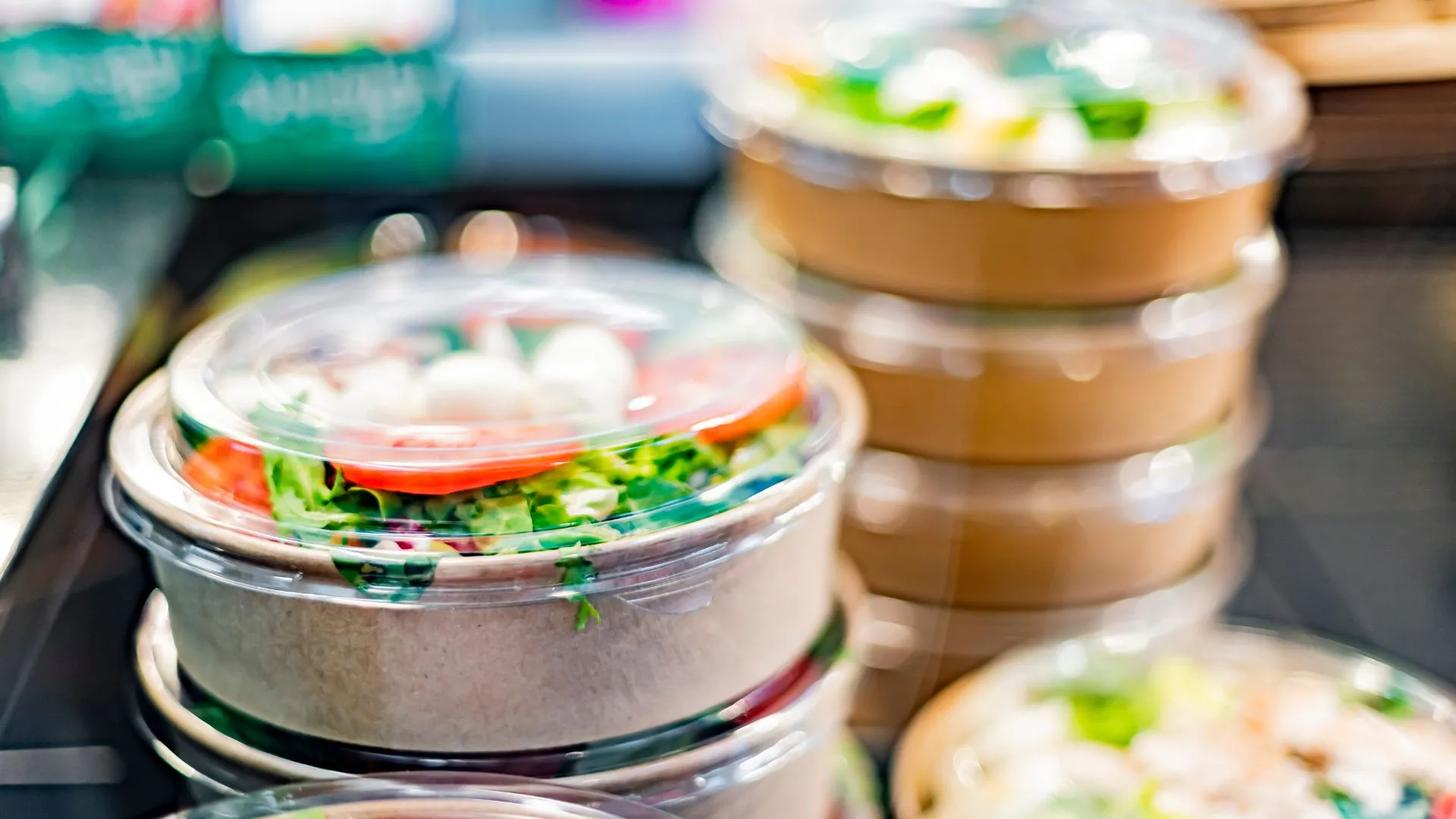
4. Keeping Ready-to-Eat Foods Safe
Ready-to-eat foods deserve extra attention because they are generally consumed without another cooking step. Proper refrigeration, clean preparation areas, good personal hygiene, and appropriate storage practices are all important.
Temperature control is another major part of the equation. Keeping perishable foods at the appropriate temperature helps limit the growth of microorganisms, while clearly labeled containers and sensible stock rotation make it easier for kitchen staff to manage ingredients safely.
It is also important not to overlook the final stages of preparation. A clean ingredient can still be exposed to contamination through a dirty utensil, container, dispensing device, or work surface. Food safety therefore needs to continue all the way from preparation to service.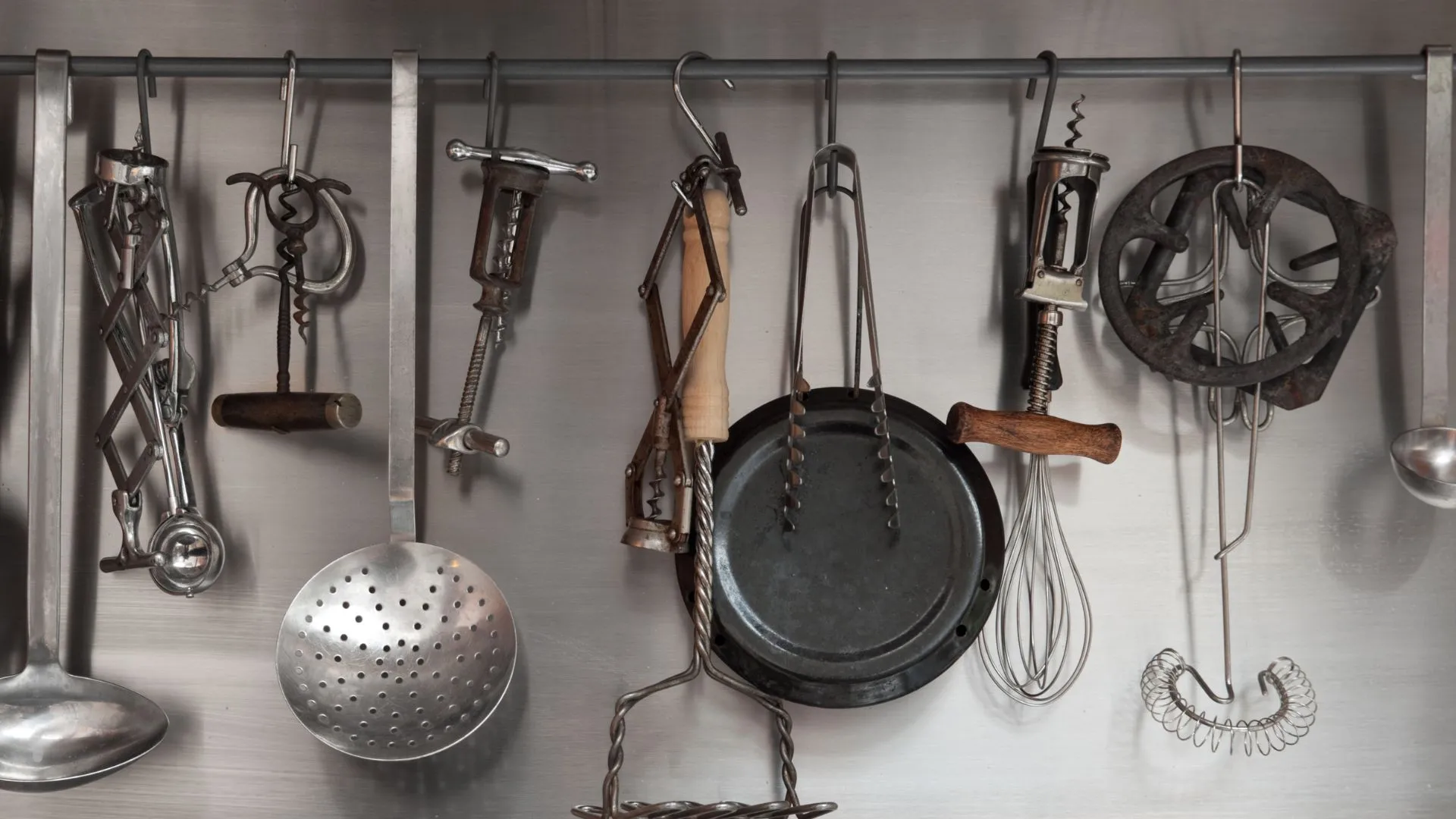
5. Why Efficient Kitchen Equipment Matters
Food safety and kitchen efficiency are often discussed as separate issues, but in a professional kitchen they are closely connected. Well-designed equipment can make preparation faster while also making routine cleaning and maintenance easier.
- Is the Kitchen Equipment Easy to Clean?
Ease of cleaning should be one of the first things a kitchen manager considers when choosing equipment. Equipment with accessible food-contact surfaces and fewer difficult-to-reach areas is generally easier to incorporate into a regular cleaning routine.
The more complicated a piece of equipment is to disassemble, clean, and reassemble, the more important it becomes to have a clear maintenance procedure. Convenience should never mean skipping the cleaning process.
- Are Separate Tools Used for Different Ingredients?
Using dedicated or properly cleaned tools for different food preparation tasks is a simple way to reduce cross-contamination. This is particularly important when working with raw ingredients, cooked foods, and ready-to-eat products in the same kitchen.
A well-organized workstation also helps. When staff know which tools belong to which preparation task, there is less room for confusion during busy service periods.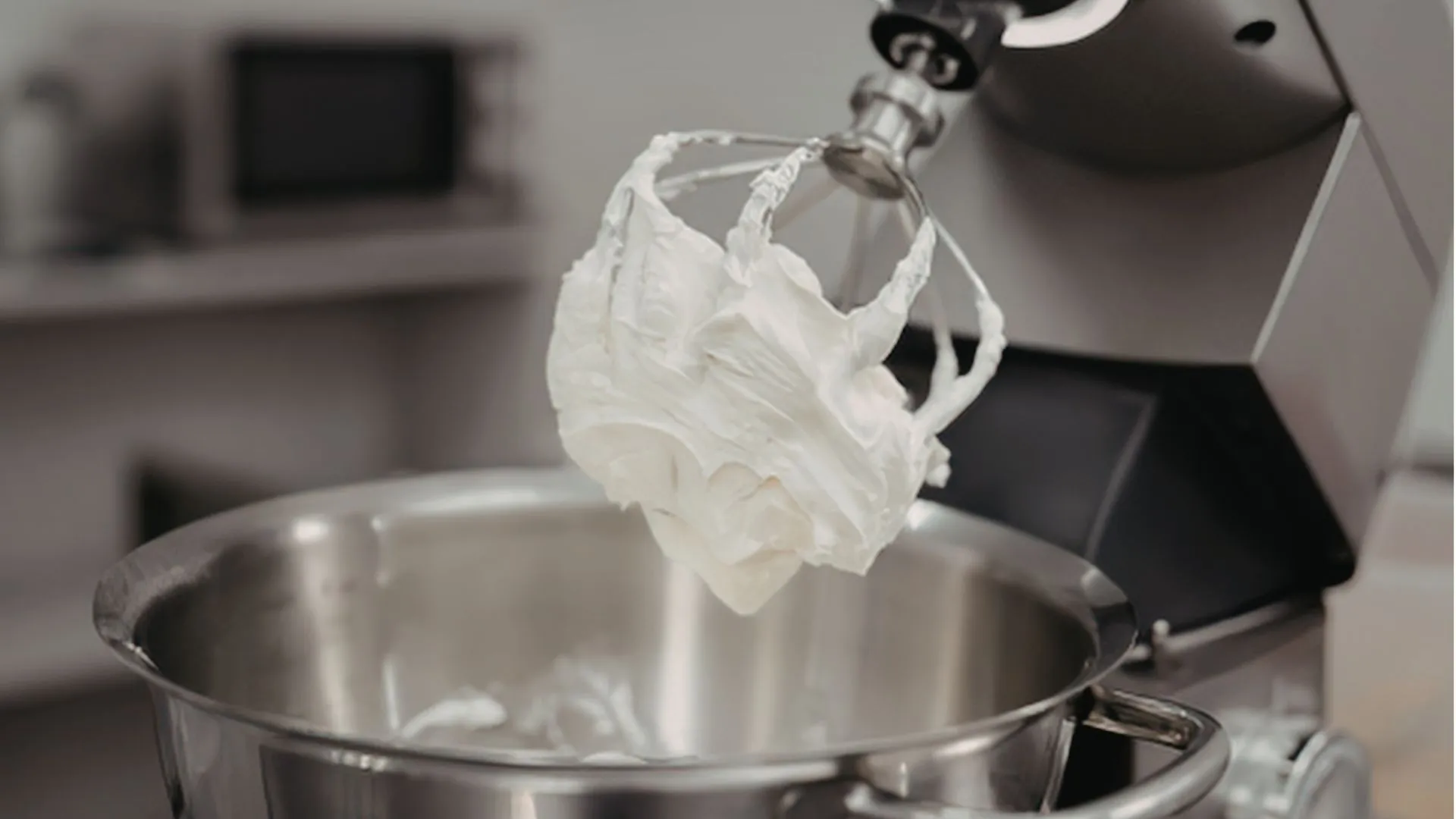
- Is Whipped Cream Equipment Properly Cleaned and Maintained?
Whipped cream equipment deserves the same attention as any other food-contact equipment. Dispensers, nozzles, seals, containers, and other components should be cleaned and maintained according to the manufacturer’s instructions and the requirements of the food operation.
This is especially important in cafés, bakeries, and restaurants where whipped cream may be prepared repeatedly throughout the day. Efficient equipment is useful, but it should always be paired with a consistent cleaning routine.
6. Using Nitrous Oxide Systems for Whipped Cream Preparation
In commercial kitchens, whipped cream needs to be produced quickly and consistently, especially during busy dessert and beverage service. Nitrous oxide systems are commonly used for this purpose because they allow cream to be aerated and dispensed efficiently without requiring the same amount of manual preparation.