

If you use a nitrous oxide whipped cream dispenser with a cream charger to make whipped cream at home, the ingredients most likely to cause clogging are undissolved sugar, cocoa powder, fruit pulp, seeds, coarse spices, and other solid particles. The problem is usually not the ingredient itself, but the fact that it does not dissolve or pass smoothly through the dispenser’s small valve and nozzle. In my experience, the safest approach is to use ingredients that are completely dissolved or to strain mixtures before they go into the dispenser.
Why Do Some Ingredients Clog a Cream Dispenser?
A cream dispenser works by combining the cream with nitrous oxide from a cream charger and then forcing the mixture through a relatively small dispensing valve and nozzle. That means anything with particles, fibers, seeds, or undissolved solids can become a problem.

A cream dispenser works by combining the cream with nitrous oxide from a cream charger and then forcing the mixture through a relatively small dispensing valve and nozzle. That means anything with particles, fibers, seeds, or undissolved solids can become a problem.
Powdered Sugar
Powdered sugar is one of the most common ingredients people add to whipped cream, but it can still cause problems if it has not dissolved properly.
This is a little surprising because powdered sugar looks so fine. However, manufacturers specifically mention incompletely dissolved powdered sugar as a possible cause of piston blockage.
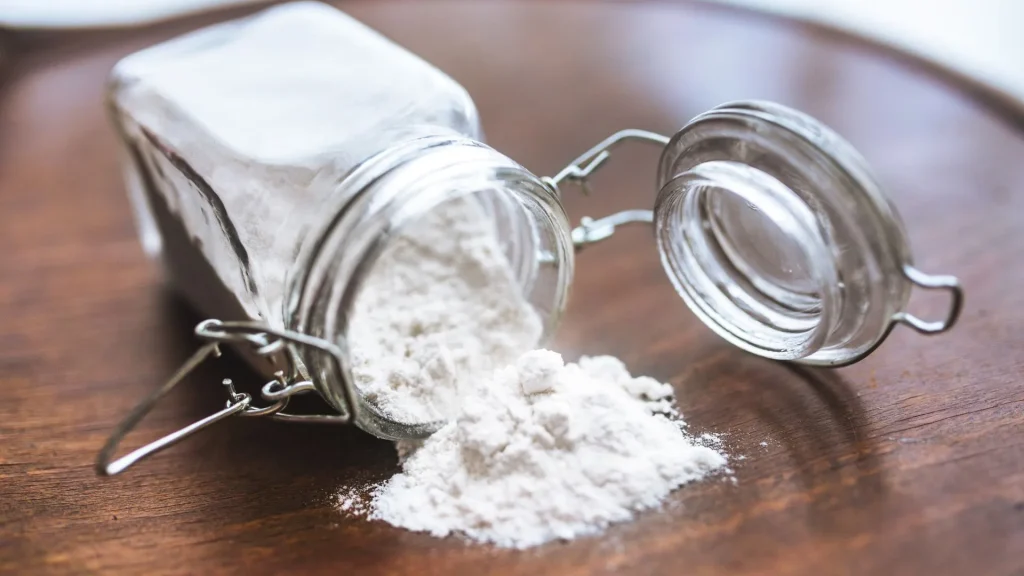
When I make sweetened whipped cream, I prefer to mix the powdered sugar thoroughly into the cream before transferring everything to the dispenser. If the sugar is simply sitting in small clumps, those clumps can move toward the valve and restrict the flow.
For an even safer approach, liquid sweeteners or sugar syrup are convenient because they do not leave the same type of solid particles behind. Granulated sugar can also be used, but it should be completely dissolved in the cream or another suitable liquid first.
Cocoa Powder and Chocolate Ingredients
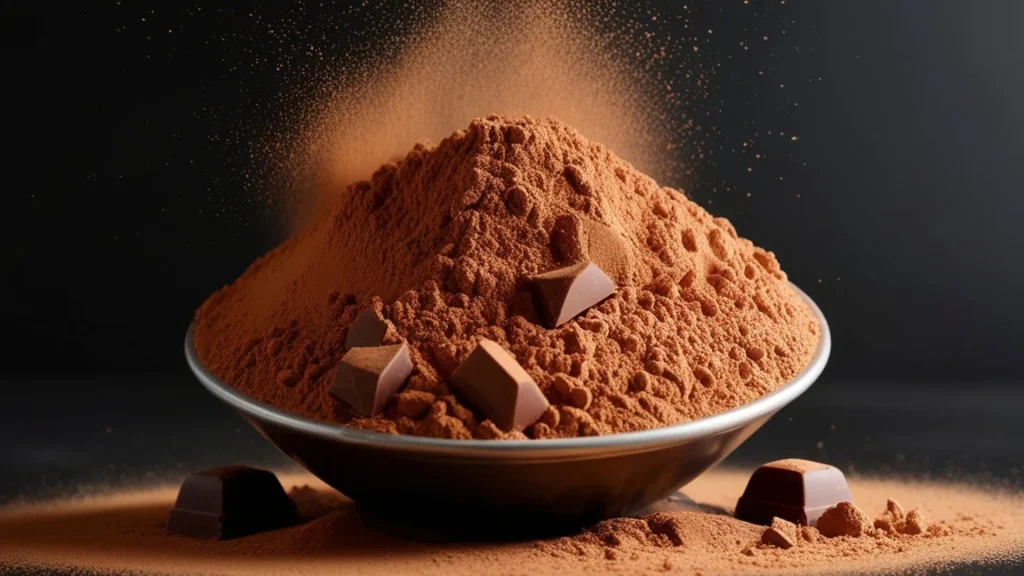
Cocoa powder is another ingredient I would be careful with. It is easy to assume that because cocoa powder is fine, it will automatically mix into the cream. In reality, cocoa can form small dry pockets or clumps, particularly when it is added directly to cold cream.
Some cream dispenser instructions specifically warn that cocoa powder can contribute to clogging if it is not properly dissolved.
If I want chocolate whipped cream, I usually mix the cocoa thoroughly with the cream in a separate container first. Breaking up every visible clump matters. For recipes using melted chocolate, the chocolate also needs to be incorporated smoothly and cooled appropriately before it goes into the dispenser.
The important point is that adding more cocoa is not simply a matter of getting a stronger chocolate flavor. The more dry powder you add, the more important it becomes to make sure the mixture is completely smooth.
Fresh Fruit, Pulp, and Seeds
Fresh fruit is probably one of the biggest clogging risks when making flavored whipped cream.
Strawberries, raspberries, blackberries, passion fruit, mango, and similar ingredients can contain seeds, pulp, fibers, or small pieces of fruit. Those particles may look harmless in a normal bowl of whipped cream, but they can interfere with the small internal valve of a cream dispenser. HENDI specifically recommends straining blended mixtures to remove seeds and pulp before using them in a whipper.
This does not mean you have to avoid fruit flavors altogether. I actually prefer using a smooth fruit puree or juice that has been passed through a fine sieve. The goal is to keep the flavor while removing anything that could physically obstruct the dispensing mechanism.
For berry whipped cream, for example, I would rather strain the fruit mixture once carefully than deal with a clogged nozzle halfway through decorating a dessert.

Granulated Sugar and Other Crystals
Granulated sugar is another ingredient that needs a little extra attention.
The crystals themselves are not necessarily a problem if they completely dissolve before the mixture enters the dispenser. The problem is putting undissolved crystals into a system with a small dispensing valve.
The same principle applies to salt and other granular ingredients. Cream whipper instructions commonly recommend dissolving granulated sugar or salt in the cream or another liquid before filling the dispenser.
For home use, I find it much easier to dissolve these ingredients separately rather than hoping they will dissolve inside the dispenser after charging.

Coarse Spices and Solid Flavorings
Small amounts of finely powdered spices are generally easier to work with than coarse spices or whole spices. Ingredients such as cinnamon pieces, crushed pepper, herb fragments, or other coarse particles can become trapped in the valve or nozzle.
Some dispenser instructions recommend using only powdered or liquid spices and avoiding insoluble ingredients.
If I want to add a spice flavor, I would rather infuse the cream and then strain it than put pieces of the spice directly into the dispenser. This gives me the flavor without creating unnecessary particles.
This is especially useful for recipes such as cinnamon whipped cream, chai whipped cream, or herb-infused cream.